
The Future of Slow Hospitality
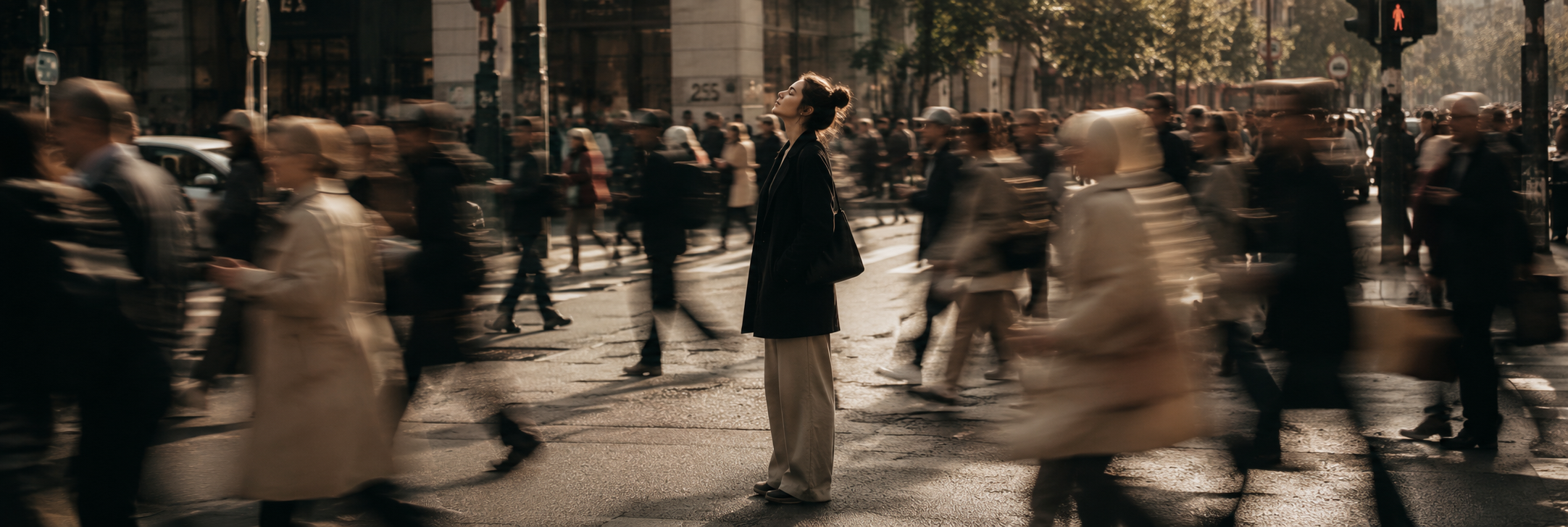
We are living in a time when our world is changing faster than ever before. Artificial intelligence is transforming the way we work, information is available instantly and we are constantly connected. Technology has made many aspects of life more efficient, yet it has also accelerated the pace at which we live.
This feeling is not merely subjective. The sociologist Hartmut Rosa describes in his Social Acceleration Theory how technological progress, social change and the pace of everyday life reinforce one another. Instead of giving us more free time, innovation often creates new expectations, more choices and new obligations. We become more efficient, yet many of us feel more rushed than ever. Perhaps the greatest luxury of the future will no longer be more, but less.
The Cost of the Always-On Culture
Our nervous system didn't evolve for constant stimulation. Every day we make decisions, switch between tasks, answer messages and process an endless stream of information. Environmental psychologists Rachel and Stephen Kaplan describe this type of concentration as directed attention. It requires mental effort and gradually becomes fatigued. The real problem is often not stress itself, but the fact that we rarely give our bodies the opportunity to recover from it.
This is where the Attention Restoration Theory comes in. Kaplan and Kaplan's research suggests that certain environments, particularly natural ones, can restore our directed attention. Rather than constantly demanding something from us, they gently capture our attention through experiences such as the sound of a flowing stream, leaves moving in the wind, or sunlight filtering through the trees. Hartmut Rosa later introduced the concept of resonance as a possible response to social acceleration. Resonance emerges when we feel genuinely connected — to nature, to other people, to meaningful work, or simply to ourselves. These moments cannot be optimised. They have to be experienced.
A New Understanding of Luxury
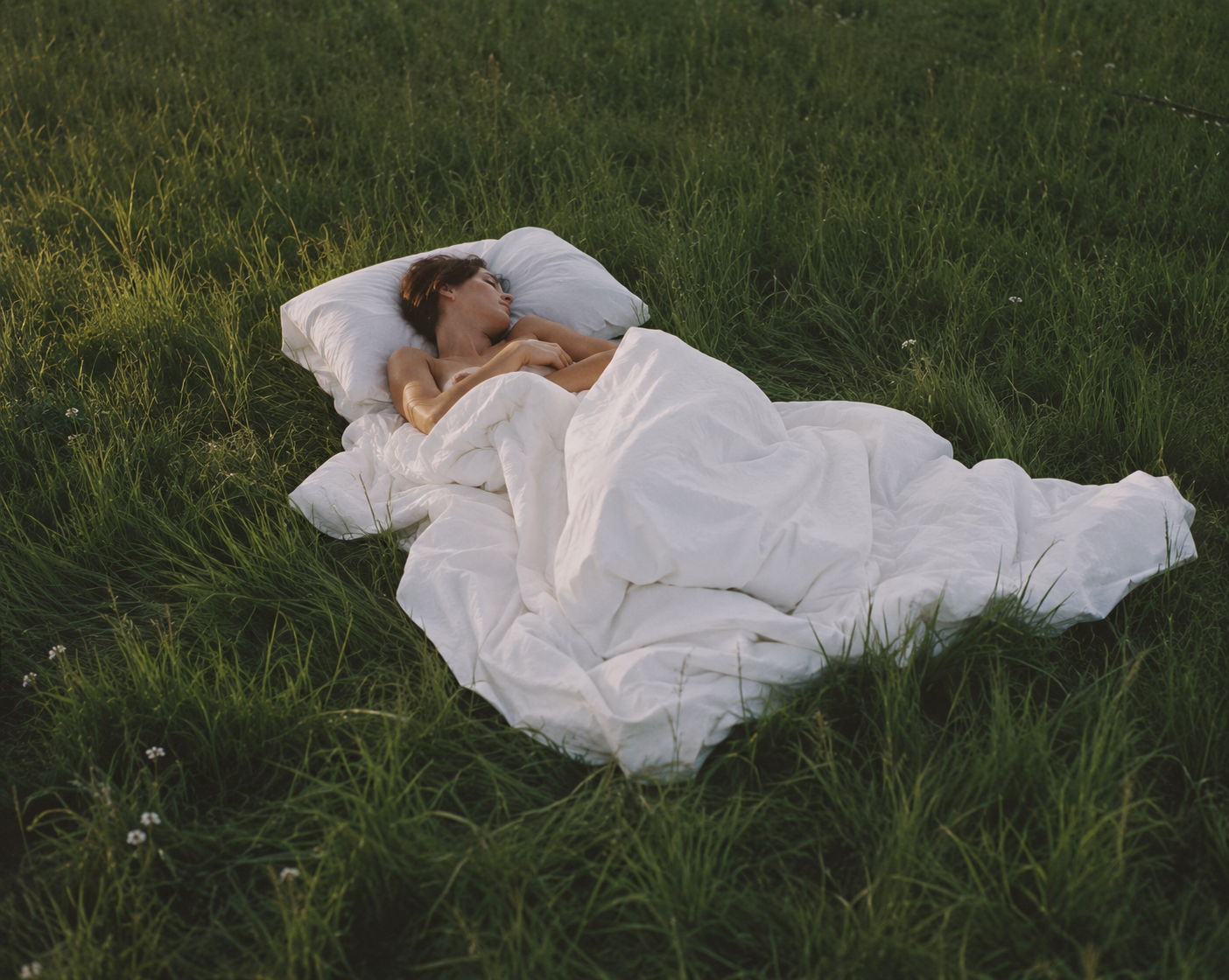
Perhaps this is why the way we travel is changing. For a long time, luxury was associated with exclusivity, abundance and status. Today, a different kind of luxury is emerging: Silence. Deep sleep. Nourishing food. Fresh air. Time without urgency. The feeling of arriving somewhere and finally being able to let go.
This shift is also reflected in tourism. Wellbeing tourism is one of the fastest-growing sectors within the global travel industry. Increasingly, people are searching not only for beautiful places, but for places that genuinely help them recover—not only from work, but from the pace of modern life.
The Future of Hospitality
As our everyday lives continue to accelerate, perhaps the role of hotels will change as well. Hotels are no longer just places to stay. They can become environments that encourage rest, reduce overstimulation and create the conditions for genuine recovery. Not through ever more luxury, but through thoughtful design, a connection to nature, a slower rhythm and experiences that allow guests to reconnect with themselves. To me, that is the future of slow hospitality.
The images used in this blog were created using AI.
